

news > News
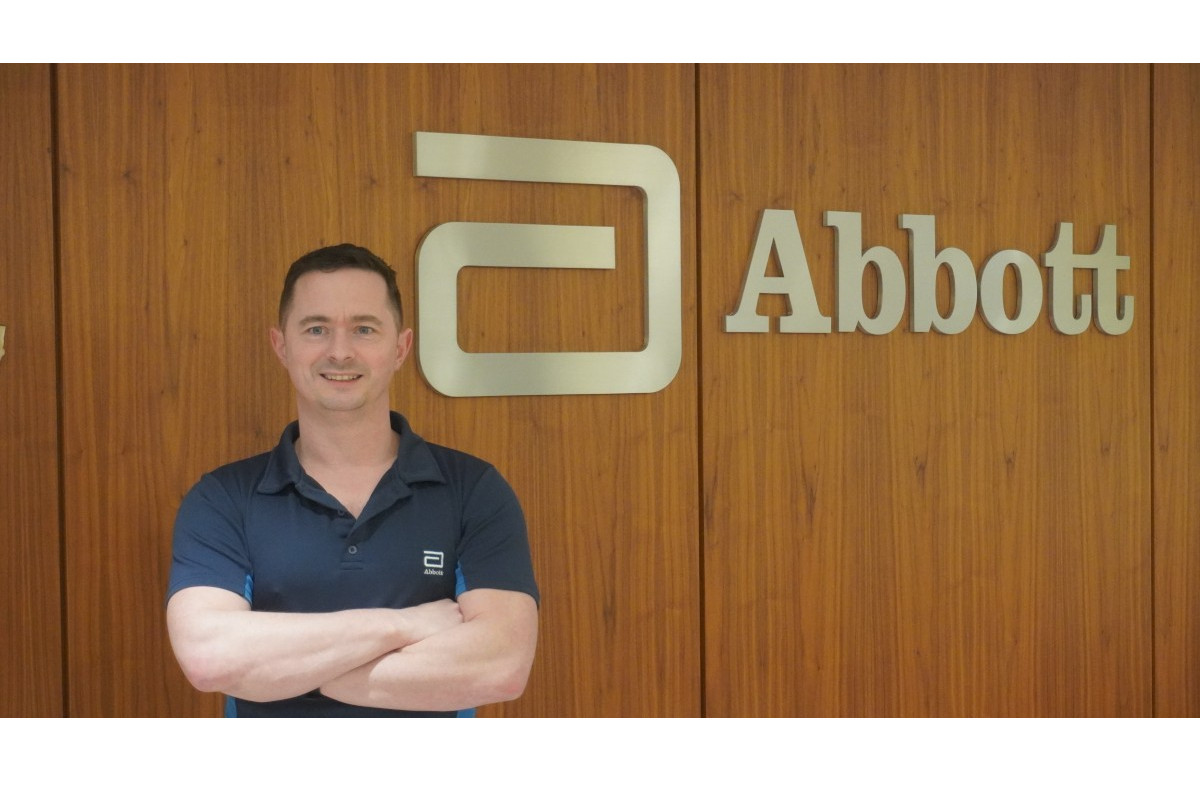
Beyond Engineering: Why Lifelong Learning Is Now Core to Medtech Careers
In today’s medtech landscape, the role of the engineer is undergoing a profound transformation. Insights from Abbott highlight a shift that many across the sector will recognise: technical expertise alone is no longer sufficient. Instead, the modern engineer is expected to operate at the intersection of technology, data, communication and continuous improvement.
As automation, digital tools and AI-driven systems become embedded in manufacturing and product development, engineers are increasingly tasked with responsibilities that extend far beyond traditional design or process roles. Productivity is no longer defined purely by output, but shaped by an individual’s ability to interpret data, collaborate across functions and adapt to rapidly evolving technologies.
This evolution reflects a broader industry trend. As roles are becoming more integrated, professionals must learn to combine engineering fundamentals with skills in digitalisation, problem-solving and strategic thinking. In practice, this means that even the most experienced professionals must continuously refresh and expand their capabilities to remain effective.
For organisations, this creates both a challenge and an opportunity. As engineering evolves beyond a static discipline, it becomes a dynamic, evolving profession that demands lifelong learning. The pace of change demands a workforce that is agile, future-focused and equipped with relevant, up-to-date skills and sector-led initiatives play a critical role.
Irish Medtech Skillnet’s portfolio of funded programmes, developed “for industry, by industry,” is designed specifically to address these emerging needs. By combining academic rigour with real-world application, these programmes enable professionals to build expertise in areas such as digital manufacturing, data analytics and regulatory excellence—capabilities that are increasingly central to engineering roles.